The situation
Illustrative example. Not a real job or customer.
A small gift and home goods shop rents the ground floor of an older two-story commercial building near downtown. An evening storm sends heavy runoff down the street, and water flows under the front door and backs up through a floor drain in the rear storeroom. The owner of the shop finds an inch or two of muddy water across the sales floor the next morning, with soaked carpet tile, wet drywall along the back wall, and inventory on low shelves damaged.
- The tenant keeps the lights off in wet areas and calls the building owner, who arranges for an electrician to check the circuits.
- Both take photos; the tenant also records inventory on the floor and lowest shelves before moving anything.
- The tenant calls their business insurer about inventory and business interruption; the building owner calls theirs about the structure.
- A cleanup contractor extracts water, removes carpet tile and the lower drywall, and cleans and disinfects the storeroom floor drain area.
- Drying equipment runs over several days while the shop remains closed.
- The tenant sorts inventory into salvageable hard goods and discarded soft goods, with photos and a running list.
The structure was cleaned, dried and repaired by the building owner. The tenant handled inventory and fixtures. The shop reopened after the rebuild, with the lowest shelf now kept empty during storm season and a water alarm installed near the floor drain.
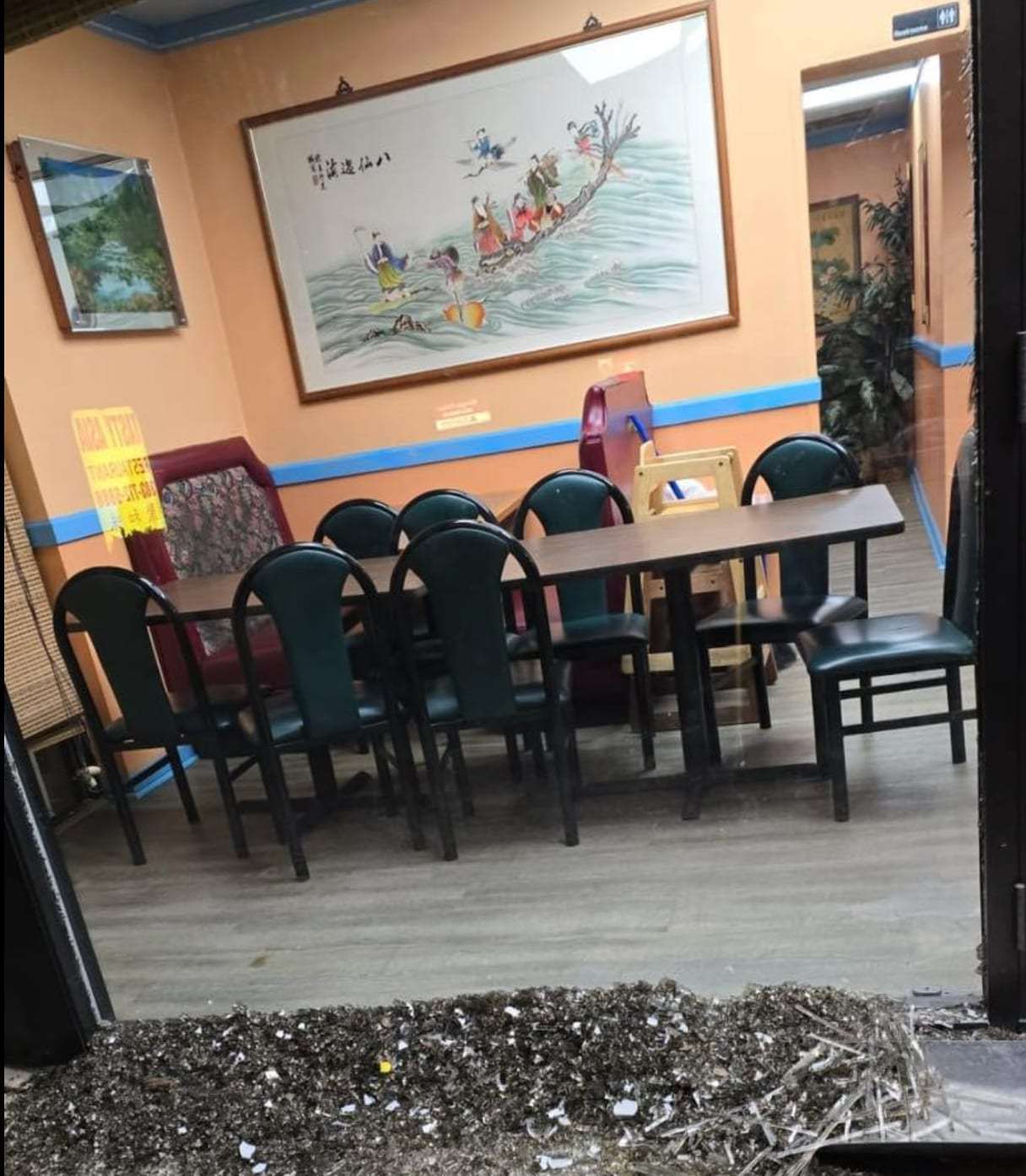
Restaurant dining area with debris on the floor. Illustrative only: this photo is not from a job tied to this site or a specific address.
Who typically handles what in a leased space
- Item
- Building structure, walls, floor slab
- Often the landlord
- Yes
- Often the tenant
- Rarely
- Item
- Tenant improvements like custom fixtures
- Often the landlord
- Depends on lease
- Often the tenant
- Often
- Item
- Inventory and business contents
- Often the landlord
- No
- Often the tenant
- Yes
- Item
- Business interruption losses
- Often the landlord
- No
- Often the tenant
- Yes, if covered
- Item
- Floor drains and plumbing
- Often the landlord
- Usually
- Often the tenant
- Report problems promptly
- Item
- Electrical service and panel
- Often the landlord
- Usually
- Often the tenant
- Report and stay out of wet areas
Leases vary widely; read yours and confirm with both insurers.
Questions a tenant should ask after a flood
- Does my lease say who arranges and pays for structural cleanup after a flood?
- Is rent abated while the space is unusable?
- Does my business policy include flood coverage for inventory, or only other water damage?
- Does business interruption coverage apply to a flood, and is there a waiting period?
- Will the building owner address the floor drain backup to prevent a repeat?
Common questions
- Should a small business reopen before drying is finished?
- Only in areas that are separated from the work, dry, and safe for customers and staff. Drying equipment, cords and open walls create trip and air quality concerns, so ask the contractor and building owner which parts of the space can be used.
General information for Castle Rock, not a quote or professional advice. In an emergency, call 911.