A Douglas County guide to flood cleanup
Flood Cleanup and Emergency Water Extraction in Castle Rock
How floodwater, mud, and wet materials are removed from Castle Rock homes and businesses, and how what can be saved is dried, sanitized, and restored.
Ask whether a company picks up outside business hours and how soon someone can realistically arrive in Castle Rock.
Floodwater brings more than water
- 1
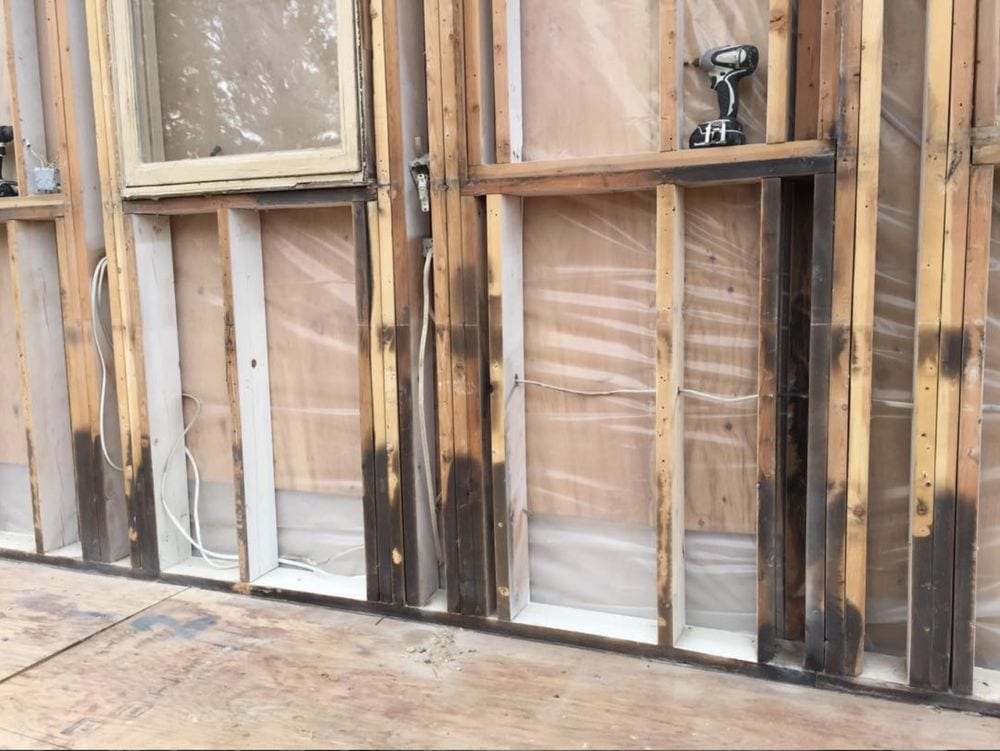
When water enters from outside, from flash flooding, overland flow, or a creek leaving its banks, it brings soil, debris, and contaminants with it. The restoration industry treats this as contaminated (Category 3) water, which means porous materials it reaches are usually removed rather than dried, and everything left is cleaned and sanitized.
- 2
Flood cleanup is also urgent because of what water does next: it wicks up drywall, soaks framing, and creates conditions for mold within a day or two. Good flood cleanup extracts water and mud quickly, removes what can't be saved, sanitizes, and dries the structure; ask for photos and readings to document it for your insurer.
Read more on Castle Rock flood cleanup
Guides and tools on storm water, drying and insurance paperwork.
- Answers
Each answer takes one flood problem that comes up on Castle Rock hillsides, walkout basements and storefronts and works through it: what causes it, what to look for, what to do in what order, and what to ask before anyone tears out a wall.
- Toolkit
These are working pages rather than reading pages.
- What it looks like
Every example here is made up, but each is built from the kinds of storms and buildings common around Castle Rock.
- Nearby
Floodwater behaves differently on a creekside downtown block than on a ridge-top subdivision or a rural lot on a gravel road.
Storm water or plumbing water?
Castle Rock sees both: summer thunderstorms that send runoff down hillsides and into lower levels, and winter pipe failures. The cleanup is different for each.
Storm and surface water
- Enters through doors, window wells, foundation cracks or overloaded drains
- Carries mud, debris and contaminants; treated as contaminated water
- Porous materials it soaked are usually removed
- Long-term fix: grading, gutters, window well covers, drainage
Plumbing water
- From a supply line, appliance, water heater or frozen pipe
- Clean at the source if caught quickly; more can be dried in place
- Stops when the valve is closed
- Long-term fix: the plumbing repair
Flood insurance and homeowner's insurance often treat these differently. Your insurer decides coverage; documentation of the source helps either way.
Flooding situations in Castle Rock
| Situation | What usually matters | First move |
|---|---|---|
| Summer flash flood An intense afternoon thunderstorm sends runoff into a walk-out basement, leaving inches of muddy water across the lower level. | Mud and outside water are treated as contaminated, so porous materials it reached usually come out. | Shut off power to the lower level from a dry spot, then photograph the water line. |
| Overwhelmed drainage in a new subdivision Runoff from a storm overwhelms a backyard swale, and water enters through a basement window and door. | Where the water got in, so the swale, window or door can be corrected before the next storm. | Document the entry point, then clear the swale or window well once it's safe. |
| Commercial space after a storm Water enters a ground-floor retail space during a heavy storm, soaking carpet tile and the lower drywall. | Which materials sat below the water line, and how long the space will be closed. | Notify the landlord or property manager and the insurer, and photograph inventory before moving it. |
ZIP codes served: 80109 (Castle Rock), 80108 (Castle Rock), 80104 (Castle Rock).
Also nearby: 80134, 80116, 80131, 80124, 80130, 80118, 80126, 80125, 80112.
Flood risk in Castle Rock
Castle Rock, the Douglas County seat, sits along East Plum Creek between Denver and Colorado Springs, named for the butte above downtown. The town has grown quickly, with many newer subdivisions on hillsides and ridges, often with walk-out basements facing drainage swales and open space.
Most flooding here comes from intense summer thunderstorms that drop a lot of rain in a short time. Runoff can overwhelm yard drainage and roadside channels, and walk-out basements and window wells are common entry points. Castle Rock's storm drainage maps and floodplain information are published by the Town.
- 1Castle Rock is the Douglas County seat; confirm that any cleanup company you call works there.
- 2Standard homeowners policies typically exclude flood; National Flood Insurance Program policies generally have a 30-day waiting period before coverage starts.
- 3Keep swales, window wells, and yard drains clear of debris before storm season.
- 4Many restoration companies serving Castle Rock are based elsewhere in the metro, so ask about travel time before you commit.
The first visit: a rapid moisture assessment
Before extraction equipment is set, the job is measured. That first assessment drives every decision after it. Here's what it should record:
How flood cleanup works
Because floodwater is contaminated, cleanup removes more and sanitizes everything that stays.
-
Step 1
Safety assessment
Confirm power is off, check structural concerns, and plan protective measures.
-
Step 2
Water and mud removal
Pump out water, shovel and extract mud and silt, and remove debris.
-
Step 3
Remove affected materials
Remove wet drywall, insulation, carpet, and other porous materials below and just above the water line.
-
Step 4
Clean, sanitize, dry
Clean and sanitize hard surfaces, then dry the structure while monitoring readings.
-
Step 5
Restore
Rebuild once the structure is clean and dry.
Flood cleanup questions
Is floodwater dangerous to clean up myself?
Floodwater can contain sewage, chemicals, and debris, and flooded buildings can have electrical and structural hazards. If you clean up yourself, wear boots, gloves, and eye protection, keep power off, and wash thoroughly. Larger floods are best handled by professionals.
Does homeowners insurance cover flood damage?
Usually not. Flood from outside water is typically covered only by a separate flood insurance policy, such as one through the National Flood Insurance Program.
Why remove drywall above the water line?
Drywall wicks water upward beyond the visible line, and insulation behind it stays wet. Removing material a foot or more above the line allows the cavity to be cleaned and dried.
Can flooded appliances be used again?
Furnaces, water heaters, and electrical equipment that were underwater should be inspected by a qualified technician before use and often need replacement.
How do I keep mold from growing after a flood?
Remove water and wet porous materials quickly, clean and sanitize, and dry the structure with dehumidifiers until readings are normal. Speed is the biggest factor.
Is flood cleanup different for businesses?
Often. Commercial spaces can involve larger areas, carpet tile, and business interruption. Ask whether a company handles commercial or large-loss work before you hire it.
Will a restoration company come to Castle Rock?
Many do, but plenty of companies serving Castle Rock are based elsewhere along the Front Range. Confirm that a company works in Castle Rock and ask for a realistic arrival time for your situation.
Request flood cleanup
This form is not connected. This website is a draft preview: no business has been confirmed to receive requests, so the fields below are switched off and nothing can be sent. In an emergency, call 911.